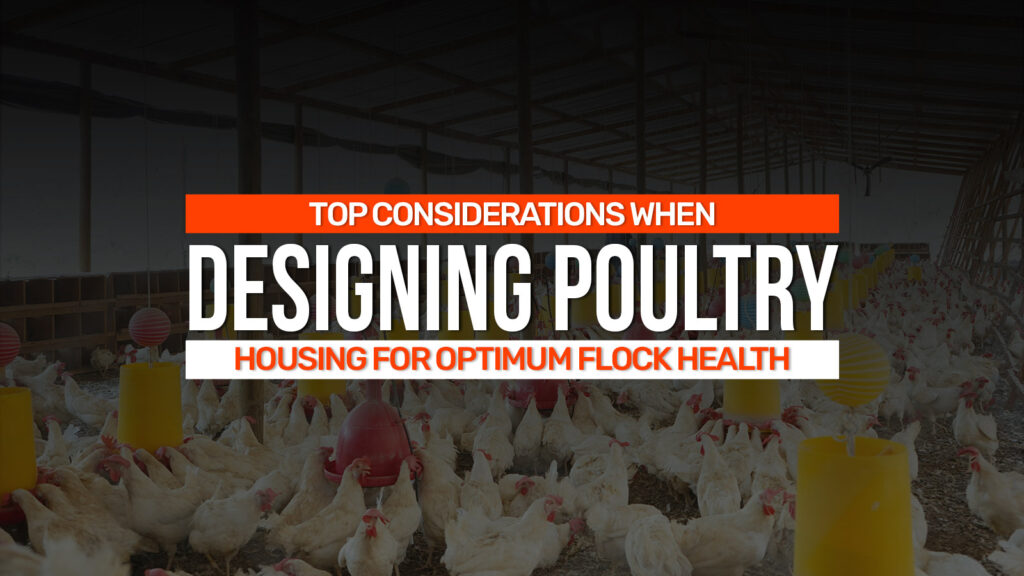
Modern poultry farming needs a well-planned design for poultry houses because this design helps maintain bird comfort while increasing farm productivity and sustaining farm operations over time. Housing needs to function as protection for birds against rain and predators because it serves as a protective barrier. The system affects multiple outcomes because it determines how fast birds grow and how much eggs they produce and how efficiently they consume feed and how well they resist diseases. A properly planned poultry house design creates an environment where birds can thrive with minimal stress and maximum performance.
Farmers achieve better production results when they select proper poultry house design because it helps their birds develop strong immune systems. Poor housing conditions lead to increased stress and disease spread and higher death rates in birds. The entire flock’s health depends on every choice made from building design selection to air distribution system design. The most important investment that a poultry farmer should pursue involves building a properly designed poultry housing design system.
Ventilation and Air Quality
Any chicken poultry house design needs effective poultry ventilation systems which serve as essential requirements for building design. Birds release heat together with moisture and ammonia throughout their entire stay in the environment. Harmful gases build up in space because there is no sufficient airflow, which results in oxygen depletion. This condition causes breathing difficulties together with impaired growth results. The installation of effective poultry ventilation systems guarantees that the building receives continuous fresh air flow throughout its entire space.
Proper air circulation in poultry houses enables farmers to control the air quality that their flocks experience. The respiratory system suffers damage from high ammonia levels, which also decrease the amount of feed that birds consume. The design for poultry houses needs controlled airflow systems together with appropriate exhaust systems to create healthier spaces for chicken maintenance. Balanced ventilation systems enable poultry farms to control ammonia emissions, which helps maintain a comfortable and productive environment for their flocks.
Temperature Control and Insulation
Bird performance depends on temperature conditions. A smart poultry house design must include reliable poultry temperature control systems. Chicks need warmer temperatures during their first life stages while adult birds require steady temperatures that maintain their health. Birds experience stress from sudden temperature changes which leads to weakened immune systems.
Proper insulation is another critical factor. Effective poultry farm insulation methods help maintain internal temperatures regardless of external weather conditions. Insulation helps poultry farms save energy costs while maintaining comfortable conditions for their birds. Birds maintain constant food intake when temperatures stay constant which leads to improved feed conversion rates. The design for poultry houses needs temperature management systems to protect bird welfare and farm profitability.
Space Requirements and Layout
Adequate spacing is fundamental in any poultry housing design. Overcrowded conditions increase competition among birds for feed and water which leads to higher stress levels and quicker disease transmission. Birds require recommended poultry space requirements per bird because it provides them with room to move and rest.
Strategic poultry farm layout planning also improves workflow and biosecurity. A well-organized layout separates different age groups and reduces cross-contamination risks. The overall chicken poultry house design should allow easy access for cleaning, feeding, and monitoring. Farms can achieve higher productivity levels and experience fewer health problems when they use optimal space and layout designs.
Biosecurity and Disease Prevention
The implementation of stringent poultry farm biosecurity measures establishes crucial protective measures which safeguard their bird populations against potential disease outbreaks. The construction of housing facilities requires design specifications which restrict outside elements from entering their premises. The combination of entry control systems and footbath stations with restricted area access for visitors represents essential security measures which provide effective protection. The implementation of these security measures into the poultry house design process enables organizations to achieve significant reductions in their disease transmission risks.
The establishment of appropriate housing conditions enables poultry operations to execute their poultry disease prevention housing strategies effectively. The facility design includes smooth surfaces which enable easy disinfection processes together with rodent-proof structures and tightly sealed walls which effectively block pathogen access to the building. The implementation of routine poultry housing sanitation practices establishes hygienic standards which minimize the potential for disease outbreaks. The protection of a clean workplace environment represents one of the most effective strategies for preventing expensive production reductions.
Litter and Humidity Management
The process of managing poultry litter management functions as a fundamental requirement which helps sustain safe housing environments. The presence of wet litter creates conditions which promote bacterial growth while simultaneously generating higher levels of ammonia emissions. An effective poultry housing design requires its design specifications to include drainage solutions and ventilation systems which maintain litter moisture content at optimal levels.
The maintenance of moisture levels between defined limits stands as a critical requirement. The development of excess humidity conditions within indoor spaces creates an environment which facilitates the emergence of respiratory illnesses together with the development of fungal infections. The implementation of systems for poultry humidity control in poultry houses ensures a balanced environment. The maintenance of humidity within established safe parameters results in improved health outcomes for birds and enhanced overall operational efficiency. The design for poultry houses must always incorporate these essential factors from the initial planning stage.
Lighting and Productivity
Lighting impacts animal eating patterns and their physical development and their ability to produce eggs. The installation of suitable poultry lighting systems for growth enables farmers to manage their birds’ movement patterns and their breeding cycles. Structured light programs which include specific feeding times and rest periods help broilers while layers need special light programs to sustain their egg production.
The chicken poultry house design needs to include a precise lighting system which enables farmers to adjust lights according to the birds’ growth process. The correct lighting system creates a peaceful poultry stress reduction environment. Birds that experience comfort in their environment show increased productivity.
Construction Materials and Predator Protection
The selection of strong poultry farm construction materials guarantees that buildings will operate efficiently while needing less upkeep throughout their lifespan. The materials should have cleaning functions which prevent dirt buildup and should not break down when they face numerous environmental tests. The construction of strong buildings allows for better application of poultry housing maintenance tips which simplifies the process of inspecting and fixing the facility.
Poultry farms face high risks from predators who attack their livestock. The design for poultry houses needs to include secure poultry predator protection systems which consist of reinforced fencing and sealed openings. Wild animal protection systems help farmers avoid bird losses while they also decrease the chances of disease spread between their animals.
Sustainability and Efficiency
Current agricultural practices emphasize environmentally friendly sustainable poultry housing solutions. The facility achieves operational cost savings through its energy-efficient ventilation system and natural lighting and environmentally sustainable building materials. The sustainable poultry house design enables its operation to produce maximum output while protecting the environment.
The poultry housing design helps birds experience better comfort, which leads to increased feed consumption and weight gain. The structured environment that birds inhabit leads to reduced stress levels and better health outcomes. The process of design for poultry houses through advanced system implementation provides organizations with benefits that last for many years.
Common Housing Mistakes to Avoid
Poultry housing design must prioritize ventilation systems because this process represents the most critical design requirement. The strongest structure becomes ineffective for supporting flock health when it lacks proper airflow. The common mistake of ignoring poultry space requirements per bird leads to overcrowding, which creates conditions for disease transmission.
The three main factors that decrease productivity on farms include poor litter management, weak biosecurity measures, and insufficient lighting systems. Farmers need to conduct regular equipment checks and structural inspections to maintain their poultry housing systems according to established poultry housing maintenance tips. The process of planning chicken poultry house design during the initial stages helps to avoid costly corrections in the future.
Frequently Asked Questions
What are the most important factors in poultry housing design?
Poultry housing design needs to consider ventilation and temperature control and space allocation and biosecurity and proper sanitation.
How does ventilation affect poultry flock health?
Proper poultry ventilation systems create better oxygen levels while eliminating dangerous gases which leads to improved respiratory function.
What temperature is ideal for poultry housing?
The ideal temperature for birds changes with their age because poultry temperature control systems maintain consistent optimal growth conditions.
How much space does each poultry bird need?
The space requirement for poultry depends on their production method while proper poultry space requirements per bird need to be maintained to avoid overcrowding which leads to stress.
What are the best materials for building poultry houses?
Construction materials such as treated steel and insulated panels serve as durable and hygienic poultry farm construction materials.
How can farmers prevent diseases through proper housing?
Poultry farm biosecurity measures together with regular poultry housing sanitation practices help maintain hygienic conditions.
What lighting system is best for poultry growth and egg production?
The best results come from adjustable poultry lighting systems for growth that match bird age and production stage.
How can humidity levels be controlled in poultry houses?
The control of poultry house humidity requires proper ventilation and effective poultry humidity control in poultry houses systems.
What are common poultry housing mistakes to avoid?
The main mistakes in poultry housing design include neglecting airflow and allowing too many birds to enter and failing to maintain sanitation.
How does poor housing impact poultry health and productivity?
A weak design for poultry houses creates conditions which increase bird stress levels and lead to more disease outbreaks while causing reduced growth performance.
Final Thoughts
The foundation for healthy and productive flocks depends on an appropriate poultry house design. The system requires precise control of every element which includes ventilation and temperature as well as lighting and biosecurity measures. A strong poultry housing design enables better bird welfare and decreases disease transmission while increasing operational productivity. Farmers who implement effective design for poultry houses together with management practices will create spaces that enable birds to stay active and healthy while maintaining constant output.