Water serves as the most essential resource for poultry farms. The operational practices of poultry farms require proper management of their water supply because drinking water distribution needs to be maintained for their birds. The practice of water management at chicken farms affects various aspects of operations. The implementation of water management in poultry farming USA has become necessary because utility expenses and sustainability regulations require operational changes.
The modern farming system needs to achieve three goals which include reducing waste and increasing efficiency and developing strong biosecurity measures. Organizations that fail to manage their poultry water consumption management effectively will face rising operational costs because of three factors which include system leaks and system inefficiencies and water contamination incidents. The combination of advanced equipment and monitoring systems and regular equipment maintenance enables farmers to achieve major reductions in poultry farm water consumption.
Optimizing Drinking Systems
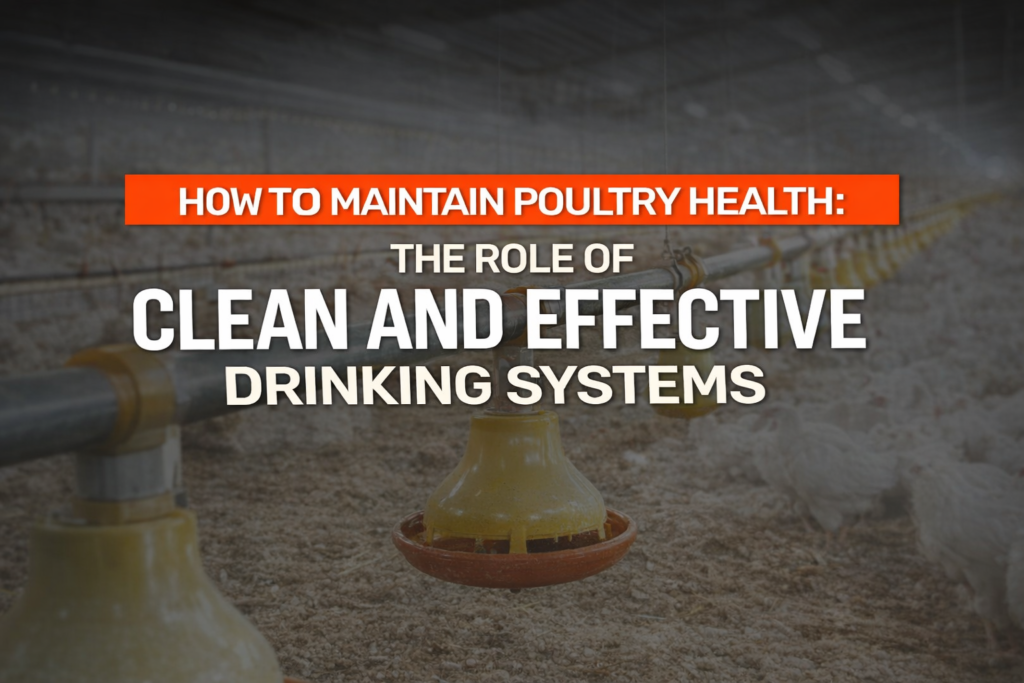
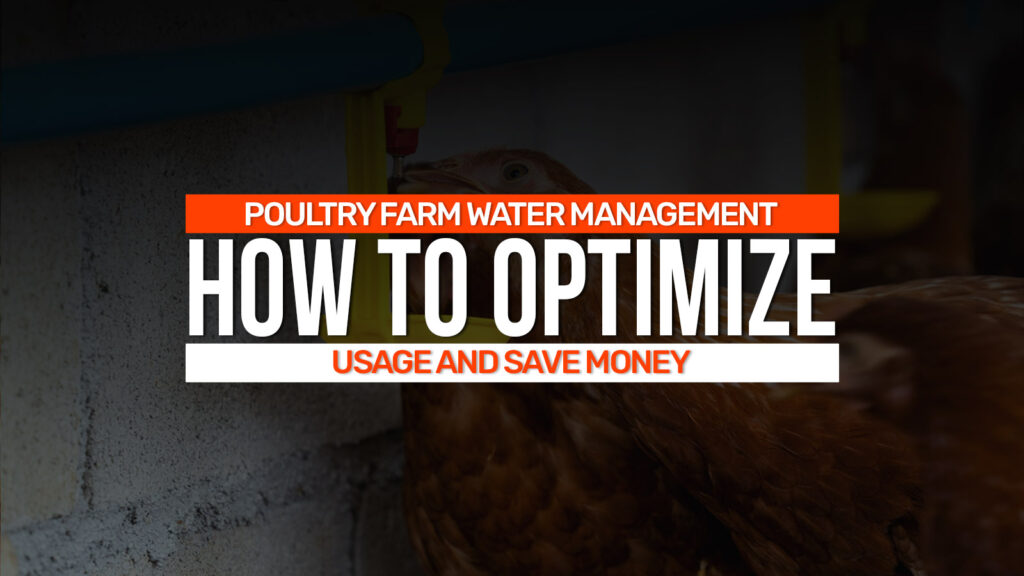
The poultry drinking water system for poultry requires proper technology selection to achieve its maximum efficiency. Traditional bell drinkers are simple devices which create problems through their tendency to spill water. The use of nipple drinker systems for poultry leads to substantial decreases in water waste and better sanitary conditions.
Automated poultry watering systems now provide farms with constant water pressure delivery and reduced need for human operation because they require automatic operation. The systems enable broiler water usage optimization through their capability to monitor water usage across different sections of the farm.
Poultry facilities need to establish proper methods for controlling poultry water pressure regulation. Birds cannot drink from their water source when pressure levels are too low, but high pressure leads to water system leaks and creates wet bedding conditions. Water meters and regulators help operators establish precise flow rates which lead to better poultry hydration management outcomes.
Preventing Leaks and Hidden Losses
Small leaks may seem insignificant, but over time they waste thousands of gallons. The routine poultry house water line maintenance ensures proper functioning through the identification and repair of cracked fittings, worn seals and hidden drips.
Producers investing in water meter installation for poultry farms gain valuable insight into daily usage patterns. Equipment failures or leaks and bird health problems will create sudden usage spikes that appear abnormal to observers. This data-driven approach strengthens farm water efficiency solutions and supports long-term sustainable poultry water practices.
Maintaining Water Quality
The requirement for clean water remains absolute. The proper water sanitation in poultry farms procedures for poultry farms require farms to conduct their operations through three processes which involve disinfecting their facilities while examining their microbial levels. The accumulation of biofilm creates a widespread issue which leads to two problems because it obstructs water passage and establishes areas where pathogens can thrive.
Poultry farms use chlorination in poultry water systems because these methods help them manage bacteria populations. The combination of water filtration systems for farms and chlorination at farms delivers improved taste results while reducing sedimentation and providing protection to delicate machinery.
Water quality programs need to establish connections between biosecurity and water safety protocols. The entire operation faces danger from contaminated supply sources which can create security breaches.
Managing Litter Moisture
The control of poultry litter moisture control directly influences the amount of water that gets wasted. Birds experience health problems because excessive moisture creates conditions for bacteria to multiply while releasing ammonia into the atmosphere.
The three main sources of water loss include drinker spillage and condensation and inadequate ventilation. The combination of drinker system upgrades and pressure optimization enables the facility to achieve complete litter dryness which creates healthier operational conditions.
Recycling and Conservation Strategies
Modern farms are investigating the potential of farm water recycling systems and rainwater harvesting systems to create sustainable agriculture water management practices. Recycled water cannot be used for drinking purposes without treatment but it serves as an alternative for cooling pads and cleaning operations and irrigation purposes.
The USDA water conservation programs offer financial assistance and guidance through their water conservation initiatives which help farmers achieve resource sustainability. The initiatives support sustainable poultry water practices while farmers receive assistance to cover their system upgrades.
Reducing expenses during work performance
The poultry water consumption management system operates in an efficient manner which results in lower poultry water costs. The required steps for the project involve:
- The system tracks changes in water usage throughout the entire day.
- The system needs to fix all pipe leaks through immediate repairs.
- The system requires testing of its pressure control devices to establish correct operational standards.
- The system needs to perform regular maintenance for its water distribution system.
- The system needs financial resources to acquire advanced drinking station technology.
The system shows that even small enhancements to farm water efficiency solutions lead to substantial decreases in operational expenses.
The Role of Automation
Automation transforms how farms approach poultry farm water management. The system uses sensors and controllers to monitor pressure changes and flow disruptions and equipment breakdowns in real time.
Automated poultry watering systems enhance operational efficiency through workforce reduction while delivering stable performance and minimizing operational errors. The system demonstrates particular advantages for broiler water usage optimization because it needs exact hydration control to support growth testing.
Frequently Asked Questions
1. How much water does a poultry farm use per day in the USA?
The water usage at poultry farms depends on four factors which include the size of the flock and the type of birds and the climate conditions and the design of their housing. The large broiler farm requires thousands of gallons of water each day while the smaller farms operate with much lower water needs.
2. What is the best watering system for broiler chickens?
The nipple drinker systems for poultry establish themselves as the most effective drinking solution because they control waste and keep drinking areas clean and enable better monitoring of drinking patterns.
3. How can poultry farmers reduce water waste?
The implementation of water-saving measures requires farmers to quickly repair all leaks while they must maintain pressure at proper levels and they need to upgrade their drinking systems and install water meters that help them track usage.
4. Why is water quality important in poultry farming?
Animals will not drink contaminated water because it leads to digestive problems which will prevent them from using vaccines effectively and it raises their chances of getting sick.
5. How often should poultry water lines be cleaned?
The lines need to undergo regular flushing procedures while disinfection must take place at each flock change. The majority of farms follow a maintenance routine which occurs either once a week or every two weeks.
6. What are common water management mistakes on poultry farms?
The main problems at farms occur when operators overlook leaking pipes and set incorrect water pressure and choose not to clean their systems and they do not track their water usage.
7. Does water management impact poultry growth rates?
Water management directly influences poultry growth because birds who drink clean water throughout the day will convert their feed into body weight more effectively than birds who do not have similar water access.
8. How can automation improve poultry water efficiency?
Automation systems implement early problem detection methods while they maintain water pressure at safe levels and they decrease the possibility of human errors occurring.
9. What are the signs of poor water quality in poultry houses?
Animals will decrease their drinking quantities and the litter will become damp and there will be strange smells and the pipes will develop scaling problems and there will be more health complications.
10. Are there USDA programs that support farm water conservation?
The answer is affirmative because multiple USDA water conservation programs offer both technical support and financial aid to help farms achieve conservation goals while improving their operational efficiency.
Final Thoughts
Effective water management at poultry farms operates as a dual function because it helps control expenses while it boosts operational efficiency. The poultry farm operations can achieve water conservation through system efficiency improvements and water quality maintenance and automation technology implementation. Modern poultry operations in the USA require advanced poultry farm water management systems because of the current competitive landscape. The practice serves as a viable approach to achieving sustainability and building resilience while sustaining financial success over extended periods.