The entire poultry industry undergoes a substantial transformation in its operational methods. The implementation of automated systems for poultry farms creates new operational methods which enable better management of birds and financial security. The system which used to depend on human workers now operates through automated systems that include intelligent machines and sensors and networked devices. Producers throughout the nation are making investments in automated poultry farming systems which enhance their operational efficiency and precise output and constant production levels.
Workers do not experience replacement through automation. The process exists to improve work efficiency while decreasing waste and enhancing animal health and creating sustainable practices for the future. The United States uses smart poultry farming USA technology as its main method for making operational choices. Farmers use data and monitoring systems with automation technology to identify problems at an early stage while they maintain environmental control and execute precise flock management.
Why Poultry Farm Automation Matters
The poultry industry operates on narrow margins where small inefficiencies can create significant financial losses. Poultry farm automation provides stable operations for essential work because it enables precise task execution and continuous task execution.
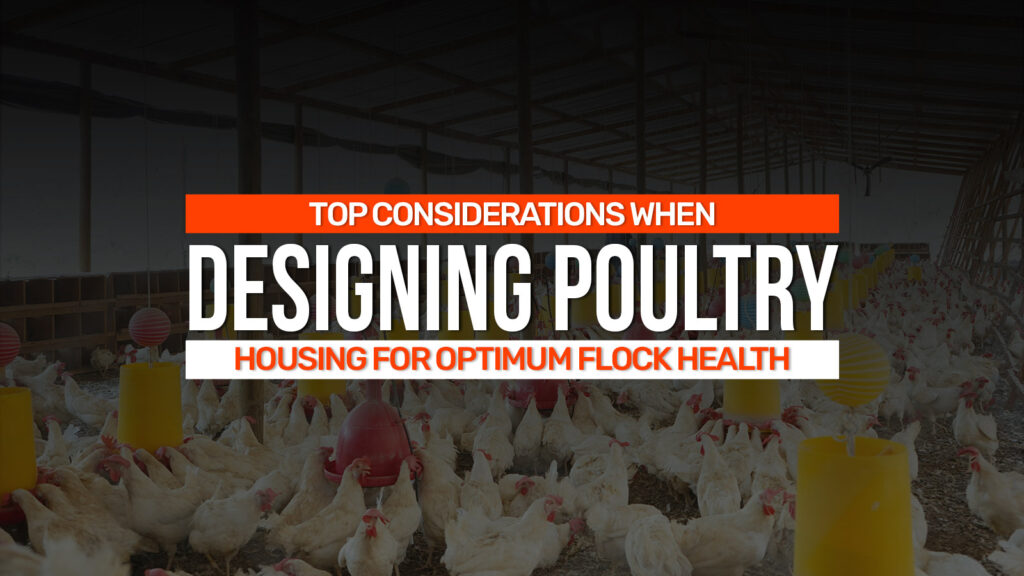
Automated systems operate throughout all hours of the day because they do not experience fatigue which leads to better system performance through reduced human mistakes. Environmental conditions determine the health and welfare of birds. The system requires correct control of temperature and humidity and airflow and air quality. Smart climate control poultry houses enable farmers to manage their operations through automated system controls. The system uses sensors to track environmental changes which enable automatic adjustments to heating and cooling and ventilation systems. This system enables complete control which helps to minimize bird anxiety and enhances their development.
Ventilation serves as an essential element. Poor airflow causes animals to experience heat stress while creating conditions that lead to respiratory problems and moisture accumulation. Poultry ventilation automation controls optimal air exchange rates which assist in removing excessive moisture and ammonia and airborne pollutants. The result is a healthier environment and improved flock comfort.
Automated Feeding and Nutrition Control
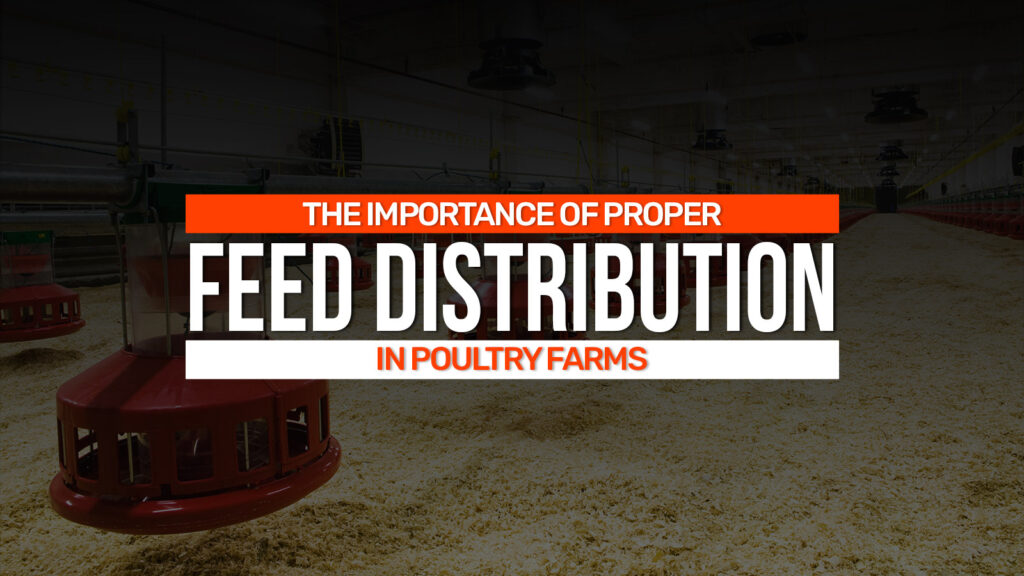
Poultry production costs reach their highest point through feed expenses. The profitability of a business receives substantial improvements from even the smallest enhancements in feed efficiency. Automated feeding systems for poultry deliver precise feed amounts which depend on the birds’ age and weight and their current production stage. The systems achieve two goals since they prevent feed waste and they provide equal feed distribution.
Feed conversion ratio monitoring now receives monitoring through automation systems which enable improved measurement. Farmers can track how efficiently birds convert feed into body mass or egg production. Abnormal changes may signal health issues, nutritional imbalances, or environmental stress. The ability to detect problems early enables organizations to take corrective actions which prevent losses from escalating.
The broiler production process depends on broiler farm automation technology from broiler farms. The facility uses automated feeders and drinkers and monitoring systems to create standard growth conditions. Consistent conditions lead to better weight gain prediction which improves processing results.
Egg Collection and Handling Efficiency
Layer farms require their staff to complete egg handling tasks which involve high levels of labor and low tolerance for mistakes. Automated egg collection systems streamline this process. Eggs are handled through a gentle transportation system which moves them from nests to grading areas while protecting them against breakage and contamination. The implementation of automation systems leads to improved hygiene standards which result in decreased handling damage and better operational performance.
The production tracking system provides better tracking capabilities to these systems. The system enables farmers to observe their animals’ laying cycles while identifying the times they produce their most eggs and the periods when their output will decrease. This insight contributes to smarter management decisions.
The Role of AI, Sensors, and Data
Poultry farming now uses AI in poultry farming and sensor-based poultry monitoring systems to increase technological progression through their new technological advancements. The system uses sensors which track five different parameters: temperature and humidity and light levels and water intake and bird activity. The AI-driven software uses data analysis to discover both normal patterns and exceptional occurrences.
Poultry farm data analytics transforms raw data into actionable intelligence. Farmers can predict equipment failures, detect disease risks, and optimize feeding schedules. Data-driven management improves productivity and reduces uncertainty.
Farmers use digital tools for remote poultry farm management because connectivity lets them access their farms through smartphones and computers. Alerts notify farmers about system malfunctions, environmental deviations, or abnormal bird behavior. This system enables fast response times which help avoid costly operational interruptions.
The broader integration of digital transformation in agriculture is making poultry farming more precise, predictable and efficient. Modern livestock automation systems production now depends on automation and analytics as its main operational components.
Labor Reduction and Operational Stability
Labor shortages and rising wages create ongoing difficulties for businesses. The poultry farm industry uses automated systems which handle feeding and climate control and egg collection and monitoring tasks without requiring manual labor. Employees can move from doing repetitive work to taking on supervisory and management responsibilities.
Automation creates new job positions because it transforms existing work requirements. The agricultural sector requires technicians who possess skills to supervise livestock automation systems and perform equipment maintenance and data analysis.
Biosecurity and Disease Prevention
Poultry farms face severe damage from disease outbreaks. The automatic poultry biosecurity automation systems for poultry farms operate biosecurity measures which enhance the protection of poultry farms. The system uses automatic entry controls and sanitation systems and monitoring protocols to reduce the possibilities of contamination. The system uses technology to maintain standard hygiene procedures while monitoring all access points to the farm.
Robotics and Advanced Equipment
The introduction of robotics in the poultry industry creates new opportunities for development. Robots perform tasks which include cleaning and inspection and material handling. These innovations create safer work environments while enabling businesses to operate more efficiently.
Farmers work with smart poultry equipment suppliers USA to create automated systems which meet their specific operational needs. The choice of equipment depends on the size of the farm and the type of production and the financial resources available for investment.
Financial Benefits of Automation
Automation improves farm productivity technology through its three main benefits of waste reduction, accuracy enhancement and output stabilization. The business achieves cost reductions through decreased labor costs and minimized feed waste and reduced operational mistakes and improved bird performance.
The initial costs of the project seem excessive, but the long-term benefits make the expenses worth it. The implementation of automation brings about improved operational consistency, which leads to increased profits and decreased risks for the business.
Frequently Asked Questions
1. What is poultry farm automation?
Poultry farm automation uses machines and sensors and software to control feeding and climate and watering and monitoring and egg handling with minimum need for human work.
2. How does automation improve poultry farm productivity?
Automation creates uniform results while decreasing mistakes and improving feed efficiency and bettering environmental management and enabling quicker decision-making through poultry farm data analytics.
3. What are the most common automated systems used in U.S. poultry farms?
Common systems include automated feeding systems for poultry and smart climate control poultry houses and automated egg collection systems and sensor-based poultry monitoring.
4. Is poultry farm automation expensive?
System costs depend on both operational size and selected technological solutions The system requires a large upfront cost but implementation results in operational efficiency and cost savings that create substantial financial benefits throughout time.
5. How can automation reduce labor costs in poultry farming?
The system uses automated technology to complete repetitive work which leads to fewer needed workers because employees can concentrate on their administrative and upkeep and quality assurance work.
6. What technologies are used in smart poultry farming?
Modern poultry farming requires AI in poultry farming software and IoT sensors and automated feeders and ventilation controllers and systems that enable remote poultry farm management.
7. Can small poultry farms benefit from automation?
Yes. The smaller farms can implement specific automation solutions which will help them work more efficiently while decreasing waste and providing better treatment for their birds.
8. Does automation improve biosecurity in poultry farms?
Yes. The system uses poultry biosecurity automation to maintain hygienic conditions while managing access points and minimizing contamination threats.
9. What is the ROI of poultry farm automation?
The return on investment for broiler farm automation technology depends on the amount saved through labor costs and the improvements achieved in feed efficiency and production capacity and the decrease of operational losses. Many farms see measurable financial benefits.
10. How is IoT used in poultry farming?
The Internet of Things provides support for poultry monitoring through sensors and environmental monitoring capabilities and automatic system adjustments and remote performance notification systems.
Final Thoughts
The United States poultry industry is experiencing a complete transformation because of the increasing use of automation technologies in poultry production. The farming industry benefits from technological advancements which create intelligent systems that improve operational efficiency through their ability to control climate conditions and deliver accurate feeding systems and their analytical capabilities and robotic systems. As innovation continues, farms that embrace automation will be better positioned to improve productivity, protect bird welfare, and sustain profitability in a rapidly evolving industry.