Maintaining strong poultry health is essential for profitable and sustainable poultry farming. While farmers often focus on feed and housing, clean drinking water is just as critical. Water directly affects digestion, immunity, growth rate, and egg production. Poor water management leads to serious poultry health problems, increased mortality, and reduced farm performance.
In this blog, we’ll explore how proper drinking systems, hygiene, and sanitation practices protect poultry health and improve overall productivity.
Why Clean Water Is Essential for Poultry Health
Water makes up nearly 70% of a bird’s body. Without access to clean water for poultry, birds quickly suffer dehydration, stress, and weakened immunity.
Clean water supports:
- Proper digestion and nutrient absorption
- Temperature regulation
- Strong immune response
- Healthy weight gain
- Consistent egg production
Contaminated water, however, is a major cause of poultry health problems in both broiler and layer farms.
Common Poultry Health Problems Caused by Water Contamination
Water can easily become contaminated by bacteria, algae, droppings, or biofilm buildup inside pipelines. These poultry water contamination risks can lead to:
- Diarrhea and digestive disorders
- Respiratory infections
- Reduced feed intake
- Poor growth performance
- Increased mortality
Waterborne bacteria are a major concern in poultry bacterial infections prevention programs. When hygiene is ignored, serious poultry health problems spread rapidly through the flock.
Types of Poultry Drinking Water Systems
Modern poultry drinking water systems are designed to minimize contamination and waste. The most common systems include:
1. Open Drinkers
Low cost but high contamination risk.
2. Bell Drinkers
Moderate hygiene but require frequent cleaning.
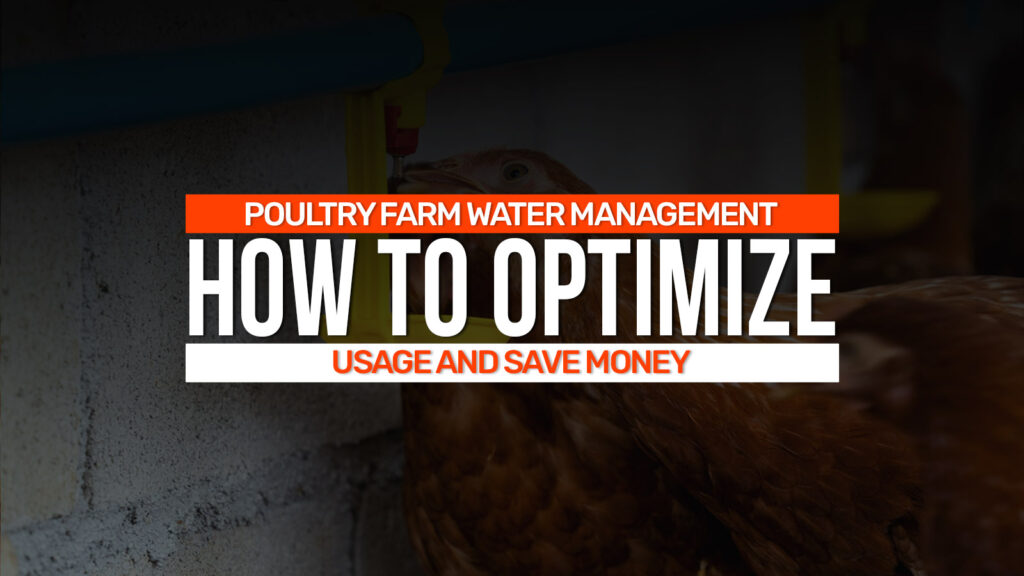
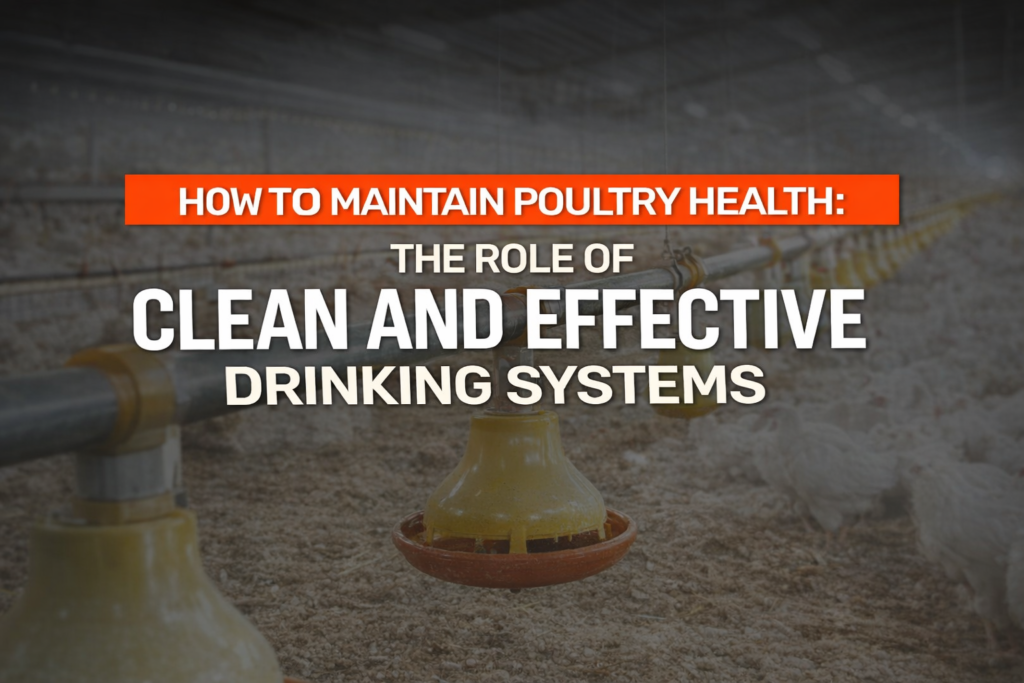
3. Nipple Drinker Systems for Poultry
These are considered the most efficient. Nipple drinker systems for poultry:
- Reduce spillage
- Limit bacterial growth
- Improve hygiene
- Support better poultry hydration management
By upgrading to modern systems, farmers can significantly improve poultry health and reduce disease transmission.
Poultry Water Sanitation Methods
Maintaining clean water requires strict poultry farm sanitation protocols and regular cleaning schedules.
Effective Poultry Water Sanitation Methods:
- Flushing pipelines weekly
- Removing biofilm buildup
- Using approved disinfectants
- Cleaning tanks regularly
- Monitoring water storage areas
Regular poultry equipment maintenance ensures that drinkers function correctly and do not leak or clog.
Importance of Poultry Water Quality Testing
Routine poultry water quality testing is essential to monitor:
- pH levels
- Bacterial count
- Mineral content
- Presence of contaminants
Testing supports early detection of issues and strengthens poultry disease prevention through water strategies.
Hydration and Immune System Support
Proper poultry hydration management is directly linked to poultry immune system support. Dehydrated birds experience stress, making them more vulnerable to infections.
Hydration plays a key role in:
- Nutrient absorption
- Vaccine effectiveness
- Growth rate
- Egg production consistency
Balancing poultry nutrition and hydration balance ensures optimal health and performance.
Biosecurity and Water Management
Strong poultry farm biosecurity practices include safe water handling. Water tanks and pipelines should be protected from:
- Wild birds
- Rodents
- Insects
- Environmental debris
Strict poultry farming hygiene practices reduce exposure to pathogens and help prevent large-scale outbreaks.
Signs of Poor Poultry Health Related to Water Issues
Farmers should use effective poultry health monitoring techniques to identify water-related issues early.
Warning signs include:
- Wet litter
- Reduced water intake
- Lethargy
- Decreased egg production
- Sudden mortality increase
Early detection is key to effective poultry mortality prevention strategies.
Stress Reduction and Production Efficiency
Water shortages or contamination cause stress, leading to poor performance. Implementing proper poultry stress reduction methods improves:
- Feed conversion ratio
- Egg production
- Growth consistency
- Overall poultry production efficiency improvement
Healthy birds produce better results. Clean water is one of the simplest yet most powerful tools to maintain strong poultry health.
Water’s Role in Poultry Health and Management
Effective water control is a fundamental part of poultry health and management. Without proper hydration and sanitation systems, even the best feed programs will fail.
Water management should always be integrated into:
- Poultry flock health management plans
- Vaccination programs
- Sanitation schedules
- Daily farm inspections
When water systems are maintained properly, overall poultry health improves dramatically.
Frequently Asked Questions (FAQs)
1. Why is clean drinking water important for poultry health?
Clean water enables poultry to digest food, maintain their immune system, control their body temperature, and develop normally. Contaminated water results in severe health issues for poultry which increases their risk of death.
2. What are the most common poultry health problems caused by contaminated water?
Water-related health problems in poultry include digestive disorders, bacterial infections and respiratory diseases because birds consume less food.
3. How often should poultry drinking systems be cleaned?
The sanitation procedures at poultry farms require operators to perform weekly flushes of drinking lines while conducting regular tank cleanings and using disinfectants.
4. What type of water system is best for poultry farms?
The modern nipple drinker system provides the best drinking solution for poultry farms because it prevents contamination and maintains sanitary conditions.
5. How does water quality affect poultry growth and egg production?
Poor water quality decreases the body’s capacity to absorb nutrients and fight infections which results in slower growth and reduced egg production.
6. What are signs of poor poultry health related to water issues?
The signs of the problem include decreased water consumption, damp bedding, extreme fatigue, and decreasing egg output.
7. How can farmers prevent bacterial infections through water management?
The prohibition of water contamination through poultry water sanitation practices requires regular testing and equipment maintenance.
8. What role does hydration play in poultry health and management?
Hydration maintains essential processes in poultry health because it directly affects their capacity to digest food and fight diseases and respond to vaccines.
9. How can nipple drinker systems improve poultry health?
The system creates a sanitary environment by reducing contamination and preventing water loss which leads to better health outcomes for poultry.
10. What disinfectants are safe for poultry drinking systems?
Approved chlorine-based disinfectants, hydrogen peroxide solutions, and other veterinarian-recommended sanitizers are commonly used.
Conclusion
Poultry operations need clean drinking systems which function efficiently because these systems serve as essential components for maintaining bird health and supporting overall poultry health. The flock performance of birds depends on proper water management which delivers two benefits because it prevents bacterial infections and enhances productivity while reducing poultry health problems.
Farmers need to invest in new drinking water systems for their poultry operations. They must also establish sanitation practices and conduct regular water quality checks to achieve three goals which include preventing poultry health problems, decreasing death rates and strengthening long term poultry health and management success in poultry farming.