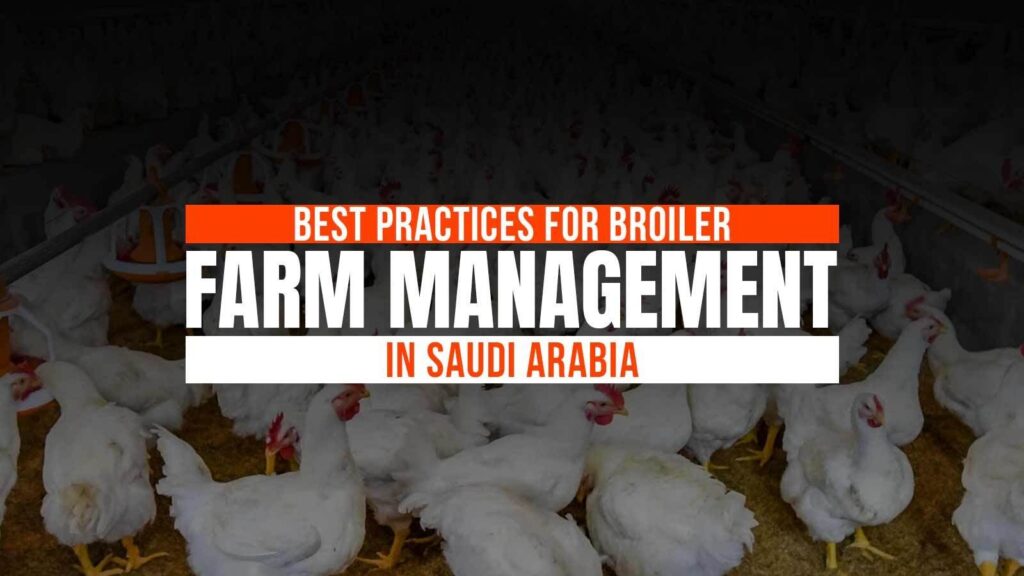
Broiler farming is an important food sector in Saudi Arabia. The demand for chicken meat is increasing, and farms need to be run in a cost-effective manner to remain profitable.
Effective broiler farm management helps farmers to raise healthy birds and keep production costs under control. Due to the hot climate in the country, proper planning and effective systems are even more necessary.
Modern farms are now paying attention to better housing, nutrition, and sanitation. Effective broiler farming management is not only about providing feed to the birds. It also involves environmental management, chicken health management, and resource management.
When all these factors are properly managed, the birds grow well, and the farm incurs less loss.
Planning and Poultry Farm Management
Effective poultry farm operations always begin with proper planning and management of poultry farms. The daily activities of a poultry farm should be properly planned and followed. Feeding, cleaning, and health checks should be done at regular times to maintain strong broiler farm management.
Farm planning is also important. The storage of feed, water, and sheds should be planned in such a way that they are easily accessible and easier to clean. The farm staff should move in one direction to avoid contamination. These are small steps that help in effective broiler farming management from the very start.
Record-keeping is also an important practice. The weight gain of birds, feed consumption, and mortality rates should be recorded by the farmer. This helps in making improvements in future production cycles. Effective planning also involves the installation of a backup power system, which is necessary during the hot climate.
Housing, Temperature, and Ventilation
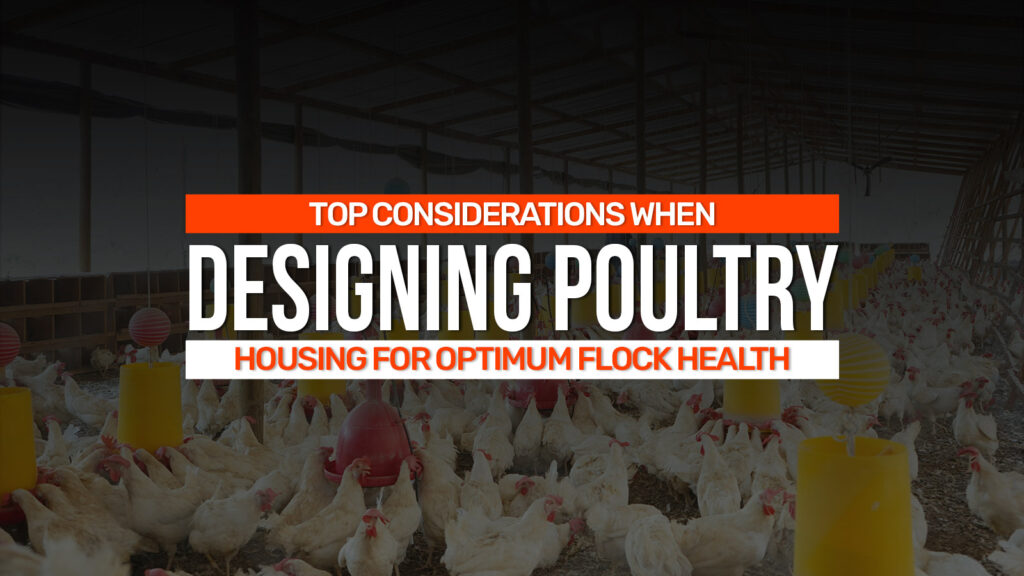
The hot climate in Saudi Arabia can easily cause stress to broiler birds. Proper shed design helps to protect them from high temperatures and poor air quality. Proper ventilation in poultry houses helps to remove excess heat, moisture, and gases such as ammonia.
Cooling systems like exhaust fans, cooling pads, and foggers are also used. These assist in regulating temperatures in sheds. Birds that are kept cool consume more food and grow faster. Proper housing and ventilation are key components of strong broiler farm management.
Stocking density can also be regulated. Overstocking leads to increased heat and stress. This impacts the health of birds. Providing adequate space reduces bird health problems.
These factors are essential for effective broiler farming management in hot climates and support better growth performance of broilers.
Early Chick Care and Brooding
It is in the first week that the race for growth begins for broiler chicks. If you can manage the brooding properly, you are laying the foundation for proper growth in the early stages. Before the chicks arrive, clean the floors by sweeping and scrubbing, and then spread the dry litter.
Maintain a warm and constant temperature. If they are cold, they huddle together; if it is too warm, they move away from the source of heat. Observing their behavior will help you adjust the heat source quickly.
Position the feed trays and drinking troughs conveniently. Proper early feeding promotes proper growth and reduces the incidence of weaklings in the future. Proper early chick care provides a sound basis for proper and efficient broiler farm management.
Nutrition and Feed Efficiency
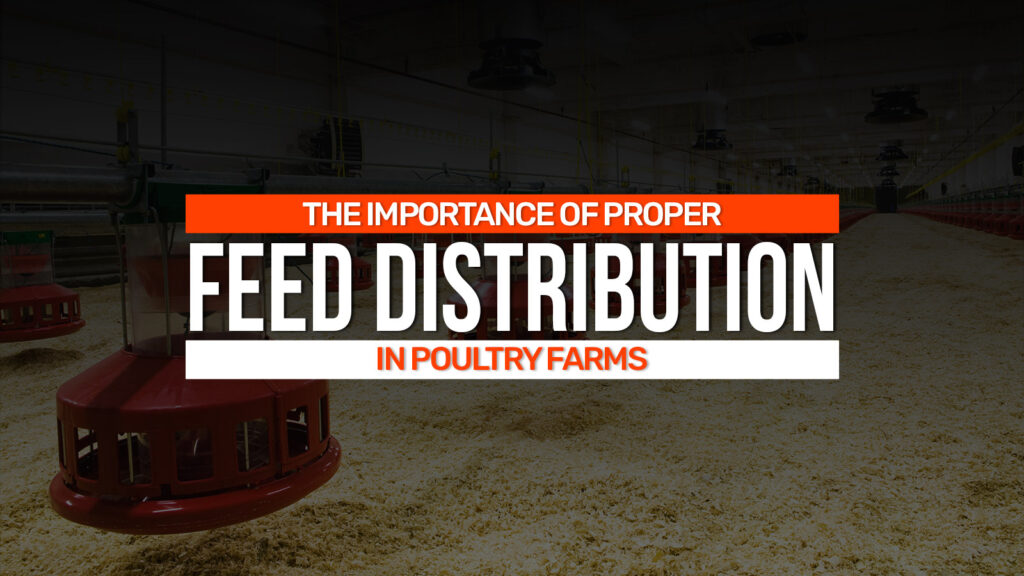
The biggest chunk of expenses in broiler farming is on feed. Proper feed efficiency in broilers will help the birds convert feed into body weight, which is a key factor in increasing profits.
Use high-quality feed formulated for different stages of growth. Use starter feed for the chicks, and then grower and finisher feeds to promote further weight gain. Inadequate feed will slow down growth and even weaken the immune system.
Store the feed in clean and dry areas to avoid mold growth. Clean water is also a critical component. Check the drinkers daily to ensure that the water flows properly. Proper feeding practices are a fundamental aspect of proper broiler farm management.
Bird Health and Disease Prevention
It is crucial to monitor the birds daily for proper health. Check for any changes in their appetite, activity, and droppings. Early detection of any problems will help prevent the spread of diseases. Strong chicken health management practices ensure a healthy flock.
A proper vaccination schedule for broilers will shield the broilers from viral diseases. Store and handle the vaccines properly to maintain their potency.
Preventing disease also involves minimizing stress and keeping litter dry. Poultry disease prevention along with poultry biosecurity measures and farm hygiene and sanitation are essential. Preventing disease before it occurs is easier than trying to control an outbreak. Good biosecurity procedures should be routine. Restrict visitor access, and require disinfection of vehicles entering the farm.
Personal protective equipment for farm workers involves wearing farm-specific clothing and footwear. Foot baths at shed entrances can help control the spread of disease. These are simple ways to protect the flock and maintain strong broiler farm management.
Biosecurity and Farm Hygiene
Disease prevention is always easier than disease control. Poultry biosecurity measures should always be followed. Visitor numbers should be restricted, and all vehicles entering the farm should be cleaned.
Farmers should encourage employees to wear farm-specific clothing and footwear. Foot baths at shed entrances can also help prevent the spread of germs. These practices will help protect the whole flock.
In the sheds, good farm hygiene and sanitation is necessary. Farmers should clean feeders and drinkers regularly. After every sale of the flock, the sheds should be washed and disinfected before new chicks are brought in. A clean farm is necessary for good broiler farm management and healthy poultry.
Litter and Waste Handling
Good litter management practices can help improve air quality and bird welfare. Wet litter can increase ammonia and cause health problems. Farmers should remove wet litter and add new litter when necessary.
Used litter can be sold as fertilizer after every cycle. This will not only help dispose of waste but also provide additional income. Good waste management practices can also help control flies and smells, making the environment healthier around the farm.
Water Management in Hot Climates
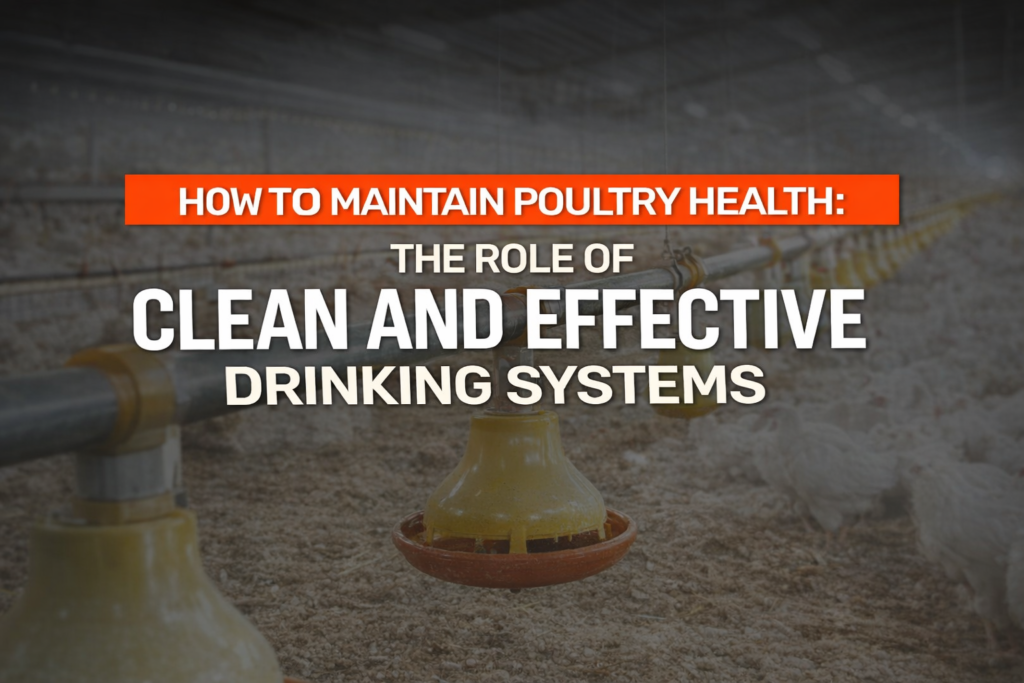
Water usage increases during hot weather. Watering systems should be cleaned regularly to prevent the buildup of dirt. Clogged water pipes restrict bird growth and stress the birds.
Providing cool and clean water is vital for keeping birds cool. Some poultry farmers use shaded water troughs or insulated water pipes to keep water temperatures lower. Proper water usage helps with digestion and performance and supports broiler farm management.
Sustainability and Long Term Success
At present, most poultry farms are incorporating sustainable broiler farming. Water conservation, waste management, and energy conservation are practices that ensure sustainability. Solar power is increasingly being used to power cooling systems.
Looking ahead is a crucial part of successful broiler farming management. Equipment upgrade and staff training ensure improved performance in the long run. Small modifications with each passing cycle ensure long-term success.
Final Thoughts
Saudi Arabian broiler production offers lucrative business opportunities, but success depends on attention to detail and effective management. From bird housing and nutrition to cleanliness and health protection, every aspect is crucial.
By maintaining organized routines, ensuring bird comfort, and implementing proper broiler farm management practices, farmers can achieve better performance and consistent profits. Using modern solutions such as broiler cooling systems helps maintain optimal temperatures, protect bird health, and support sustainability, making broiler farming more efficient and profitable.