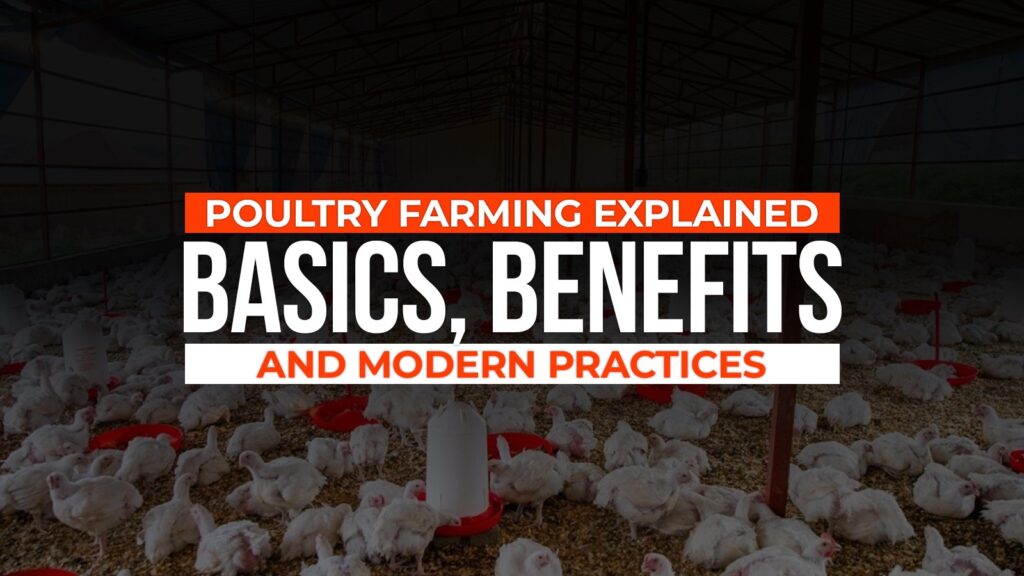
Poultry farming is amongst the most growing agricultural activities within the United States. Both small-scale backyard family farms and large commercial farms have played a vital role in providing sufficient amounts of affordable and healthy protein to millions of Americans. The rearing of chickens is more than just this; it includes devising such a system that is efficient, sustainable, and profitable, meeting the market demand while maintaining the health and welfare of the birds. Grasping the key concepts behind poultry farming or poultry chicken farming will enable a new or experienced farmer to successfully manage their business.
The American poultry industry facts show phenomenal growth over the last couple of decades. With increasing demands by consumers for chicken meat and eggs, modern farms in the United States have embraced new technologies and management methods to achieve utmost efficiency and production. A well-managed poultry farm not only contributes to ensuring the food supply but also to the local economy, job opportunities, and enhances the general agricultural sector.
Poultry Farming in the USA: An Overview
At the very core, poultry farming entails rearing birds like chickens under controlled conditions that aim to protect their health and ensure good productivity. Most farms in the USA are either broiler farms, raising chickens for their meat, or layer farms, raising them for their eggs. Each type has a particular need in terms of care.
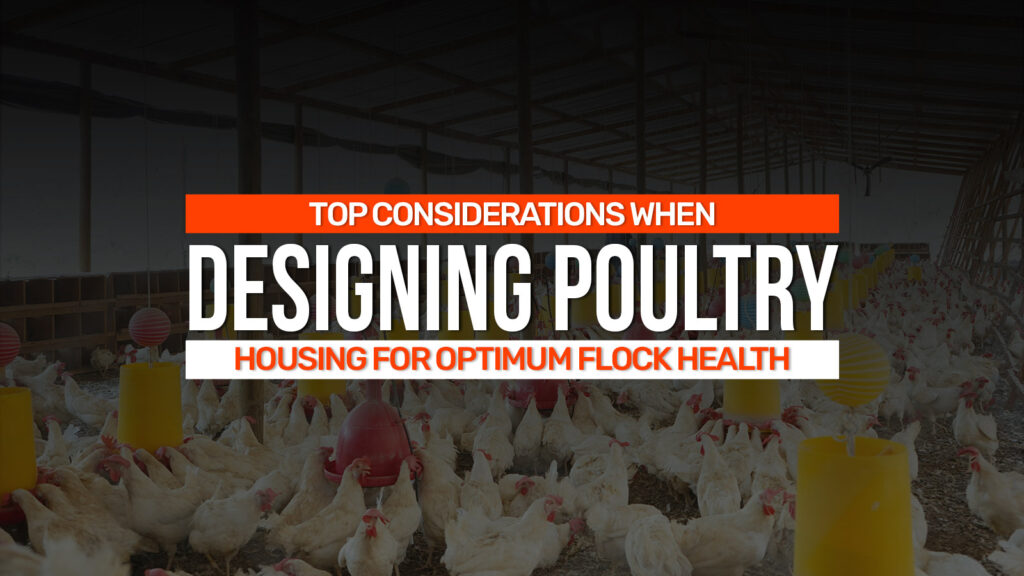
For example, broilers would take high-protein diets to grow fast, while layers take nutrition that enables these birds to lay continuously. A chicken poultry farm would invest in controlled housing aimed at protecting the birds from extreme weather conditions, predators, and diseases, while allowing proper ventilation and temperature changes within the poultry farm.
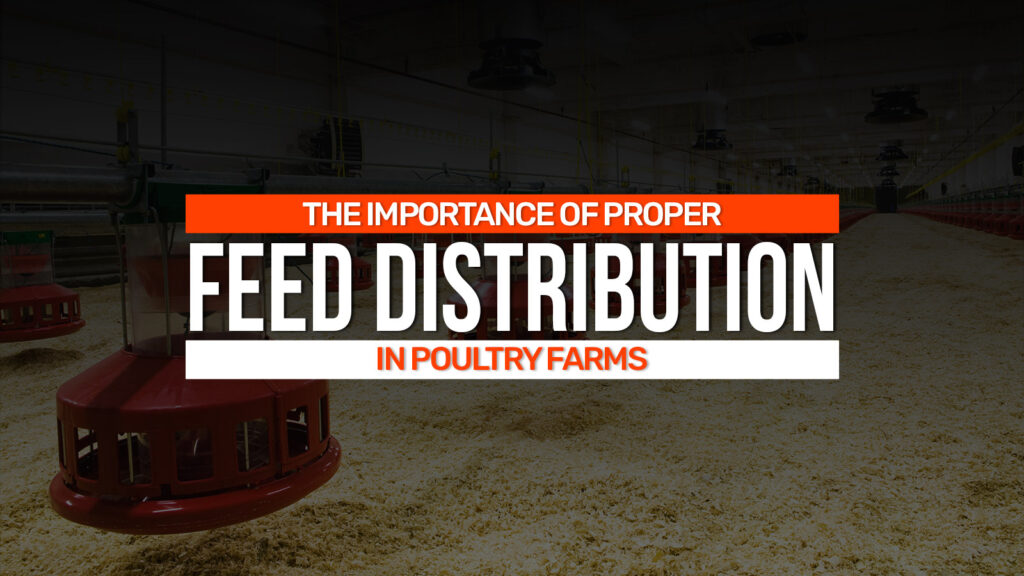
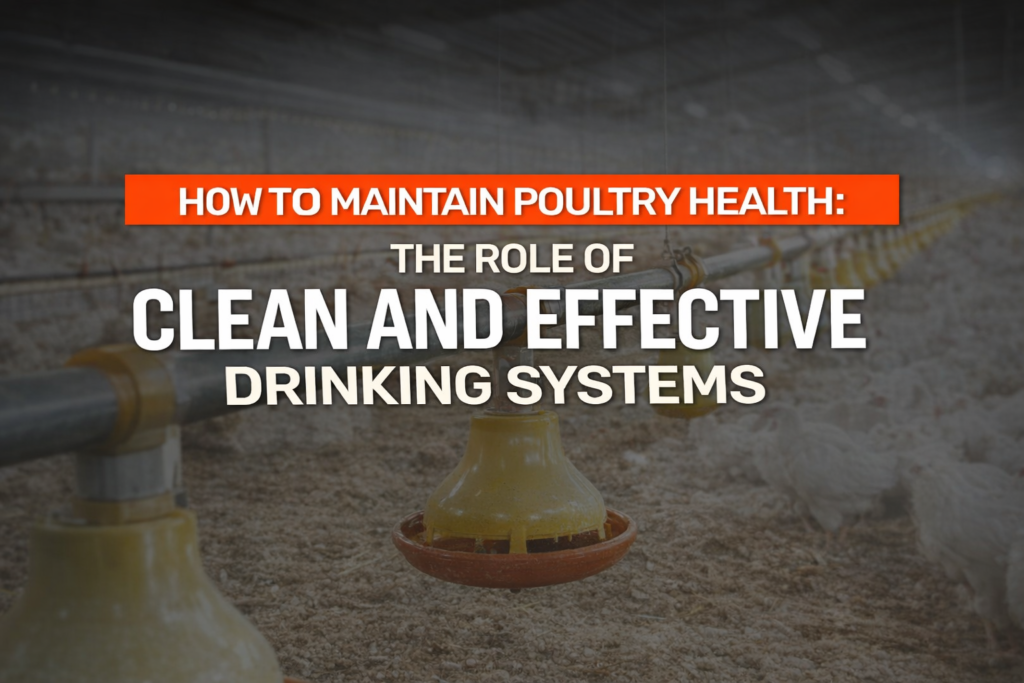
The basic essentials for poultry chicken farming are feed and water. Birds need appropriate nutrition to grow or lay eggs. Feed efficiency directly impacts profit; therefore, planning feed schedules and quality is imperative. Other daily routines on the farm involve health checks, access to clean water, and hygiene. Good poultry farm management makes all the difference in the success and profitability of any given operation.
Why Poultry Farming is Beneficial
Advantages in poultry farming are very rewarding; it usually reaps rather quick returns on investment, especially compared to other areas in livestock. Chickens grow faster, take less space, and are efficient feed-to-protein converters. That makes poultry chicken farming a most attractive option both for the small hobbyist and large commercial operations.
A poultry farm also contributes to providing jobs within a community. The operations require many different workers for feeding, cleaning, health care, and logistics of the farm. The benefits extend indirectly to veterinary services, transport services, and local feed suppliers when a farm is successful. Poultry products are further rather inexpensive and very well consumed; that is why the poultry industry facts have shown constant demand and growth across the United States.
Modern Practices in Poultry Farm Management
Today, much goes into the administration of a poultry farm besides just feeding and watering birds. Most modern American farms make immense use of technology, be it automated feeding systems and climate-controlled housing, to digital tools for monitoring. Such advancements are allowing farmers to maintain ideal conditions, reduce waste, and boost productivity. Indeed, efficient poultry farm management today often depends upon data-driven decisions, be it tracking growth rates or monitoring flock health.
Other key components to successfully running a poultry farm incorporate biosecurity into them. Restricting access to the farm, cleaning equipment, and frequent observation of disease amongst birds prevent outbreaks that easily wipe out a group of birds. Most farms employ sustainable practices, such as recycling waste and energy-efficient systems, to minimize the environmental footprint. Those with an interest in improving operations may want to explore general poultry solutions to help through practical and actionable resources with respect to efficiency optimization and long-term outcomes.
Facts and Trends: Poultry Industry
The poultry industry facts stipulate that the United States is the leading poultry producer in the world. Consumption of chicken is among the highest of the meats because it is relatively cheap, versatile, and nutritious. Advances in broiler breeding, feed efficiency, and health have dramatically improved productivity on American farms.
Other leading trends in poultry industry facts concern the growing demands of consumers to know more about and ethical farming of poultry. Many Americans would like to see poultry products from birds that have been brought up with high welfare standards and tight quality controls. This encourages farmers to implement good poultry farm management practices in such a way that they remain competitive while garnering consumer trust.
Getting Started in Poultry Farming
Poultry farming in the USA requires great planning to start. You have to consider such a factor as farm location, local regulations, initial investment, and available resources. Most beginners prefer to begin their poultry businesses with fewer birds for practice, later scaling up. Small-scale poultry chicken farming setups allow one to learn daily operations and bird behavior, and hence it offers you a few good poultry farm management techniques.
This is where the role of training and research becomes unparalleled. Studying successful models and keeping updated with poultry industry facts will keep costly mistakes at bay. With proper planning, dedication, and reliable resources, poultry farming can be sustainable and profitable.
Final Thoughts
Poultry farming in the USA is all set to assure the best prospects for people who intend to join agriculture or widen their farming portfolio. Modern practices and strong poultry farm management, with attention to market trends, are ingredients that can lead to great success in any poultry farm business.
Whether it is a small backyard setup or a large commercial operation, the secret seems to lie in understanding the principles, embracing efficient practices, and keeping up with the latest poultry industry facts. When well conducted, poultry chicken farming is rewarding and lucrative, considering it feeds millions of people; this gives a sound base for business success in the long term. Professional general poultry solutions can help every operation effectively fine-tune its processes toward sustainable growth.